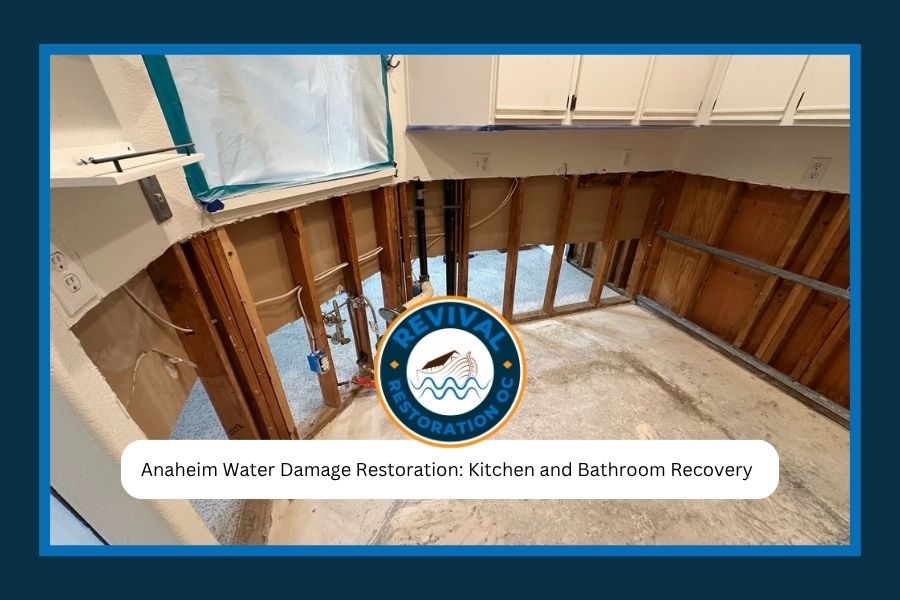
When a hidden plumbing leak spread through both the kitchen and bathroom of an Anaheim residence, the homeowner needed fast, reliable help. Our team at Revival Water Damage Restoration of Orange County responded the same day, providing full water damage restoration services from initial moisture assessment through complete mitigation and demo. This is the story of how we brought this home back from a mess that had been quietly growing behind the walls.
The Call That Started It All
The homeowner noticed water pooling near the base of their bathroom vanity. They figured it was a small drip from under the sink. But when the tile floor stayed wet even after mopping twice, they knew something bigger was happening. By the time they checked the kitchen on the other side of the shared wall, moisture had already started seeping through.
That’s the thing about water damage in Orange County homes. A lot of these properties share plumbing walls between kitchens and bathrooms, so one leak can affect multiple rooms before anyone notices. The IICRC S500 standard for water damage restoration emphasizes that quick response is critical, and we couldn’t agree more.
What Did the Moisture Readings Reveal?
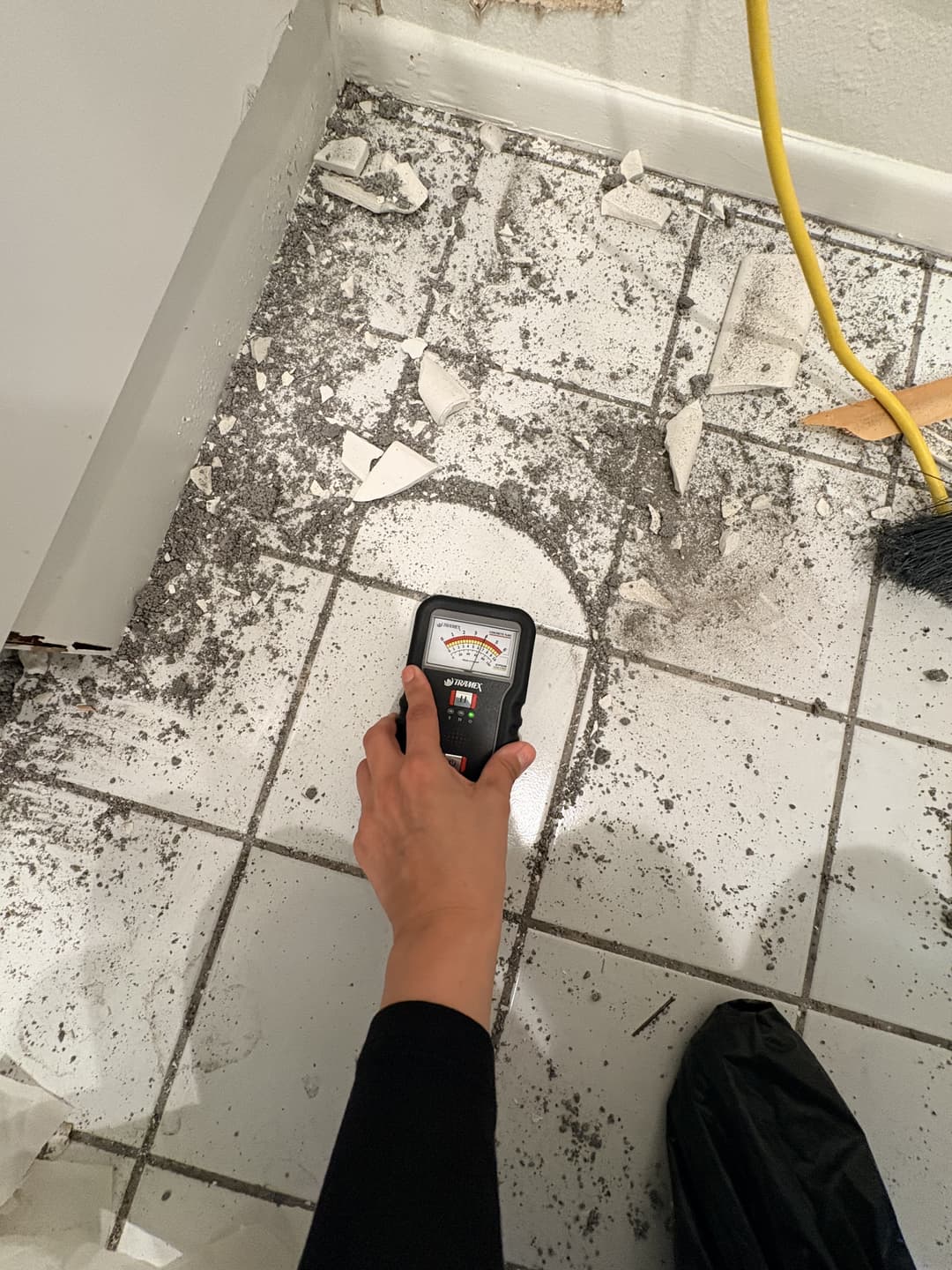
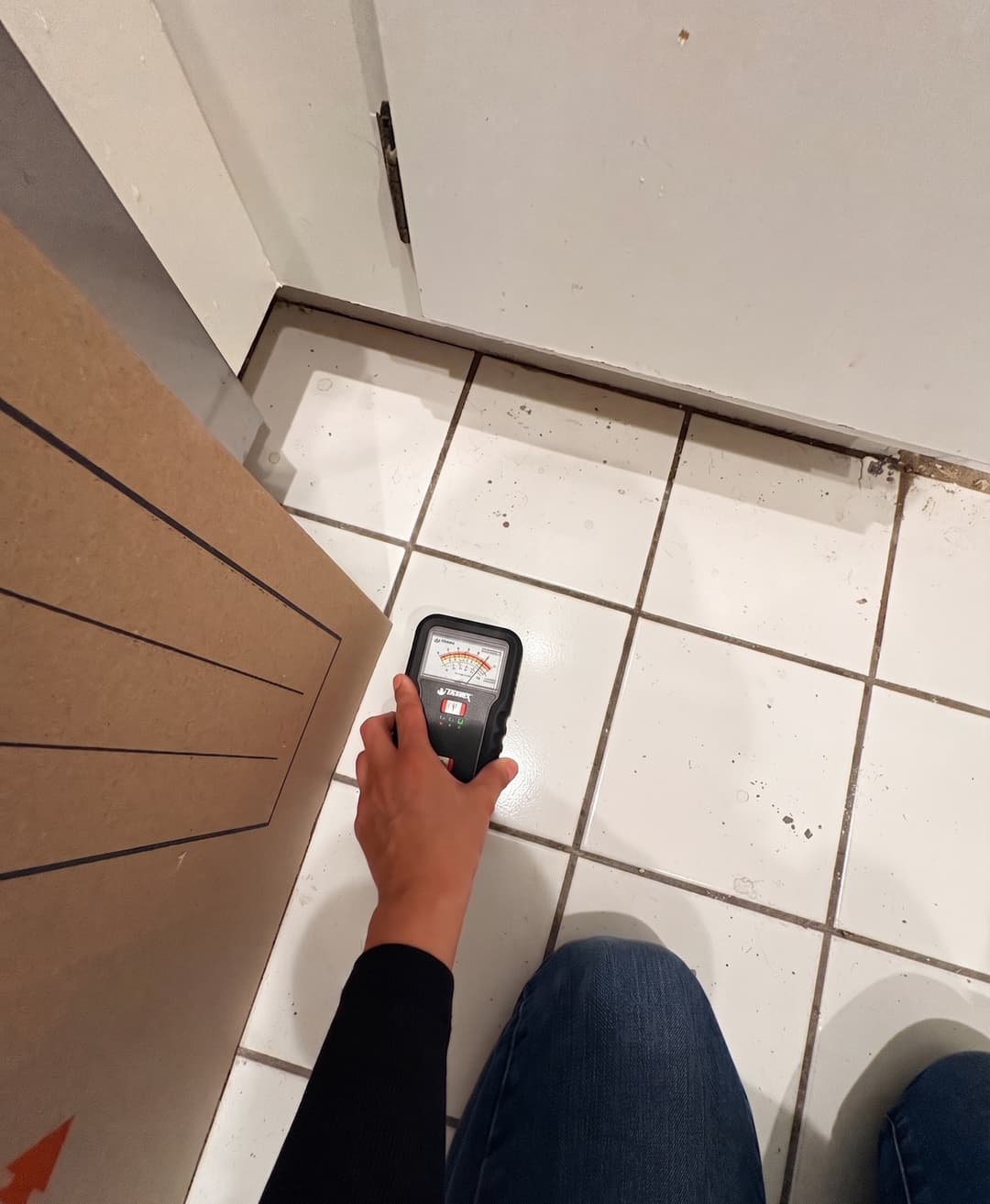
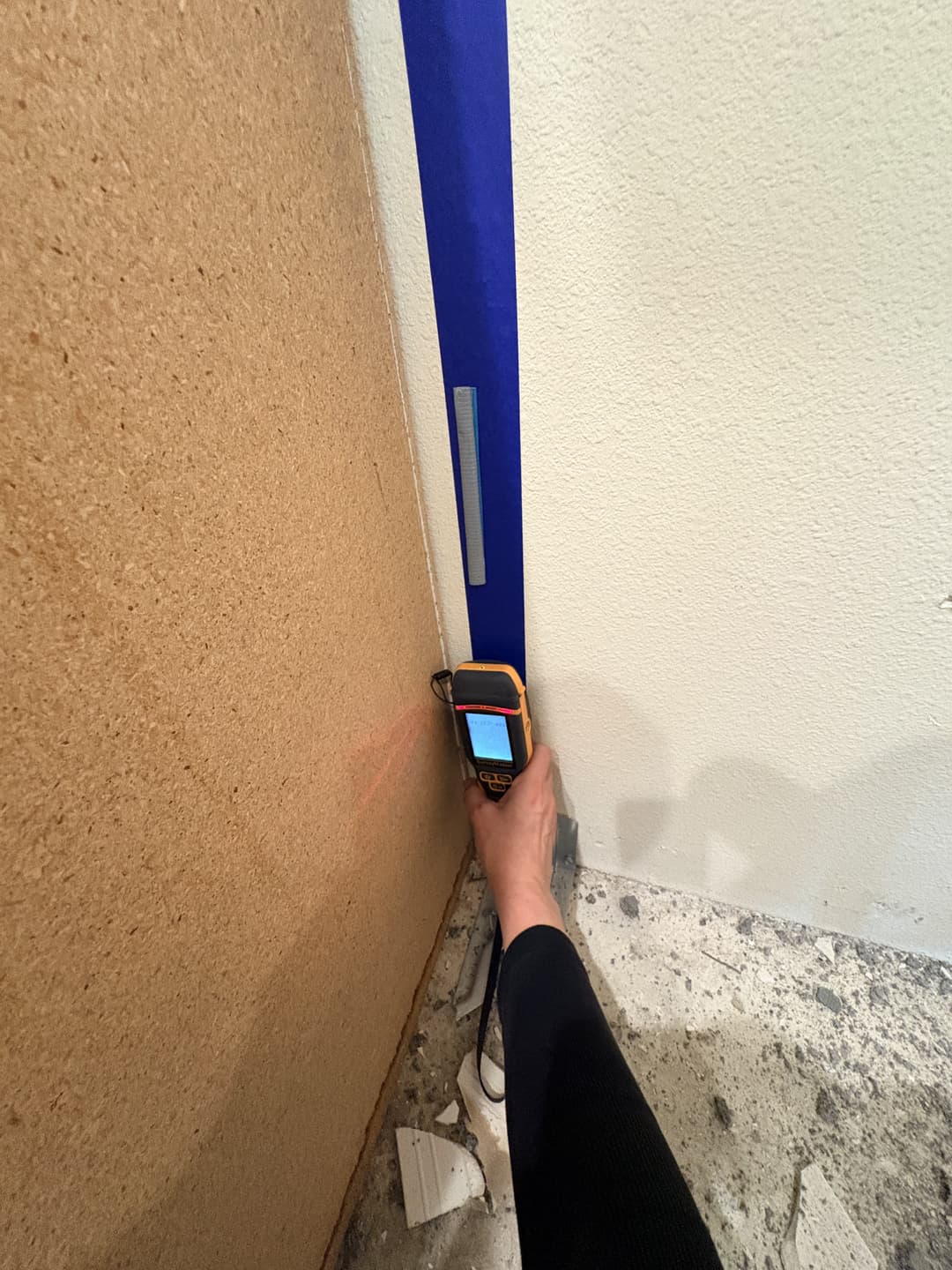
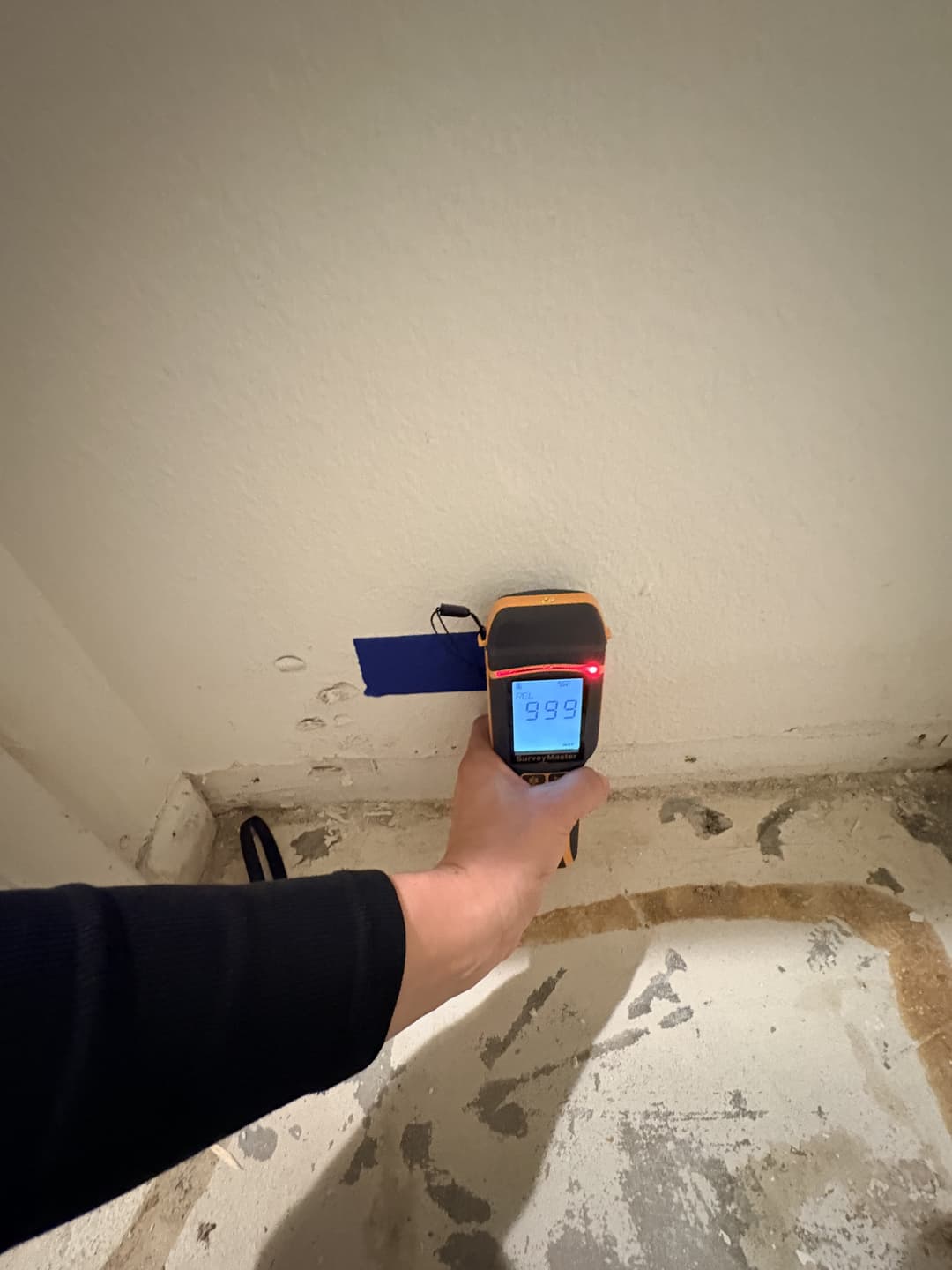
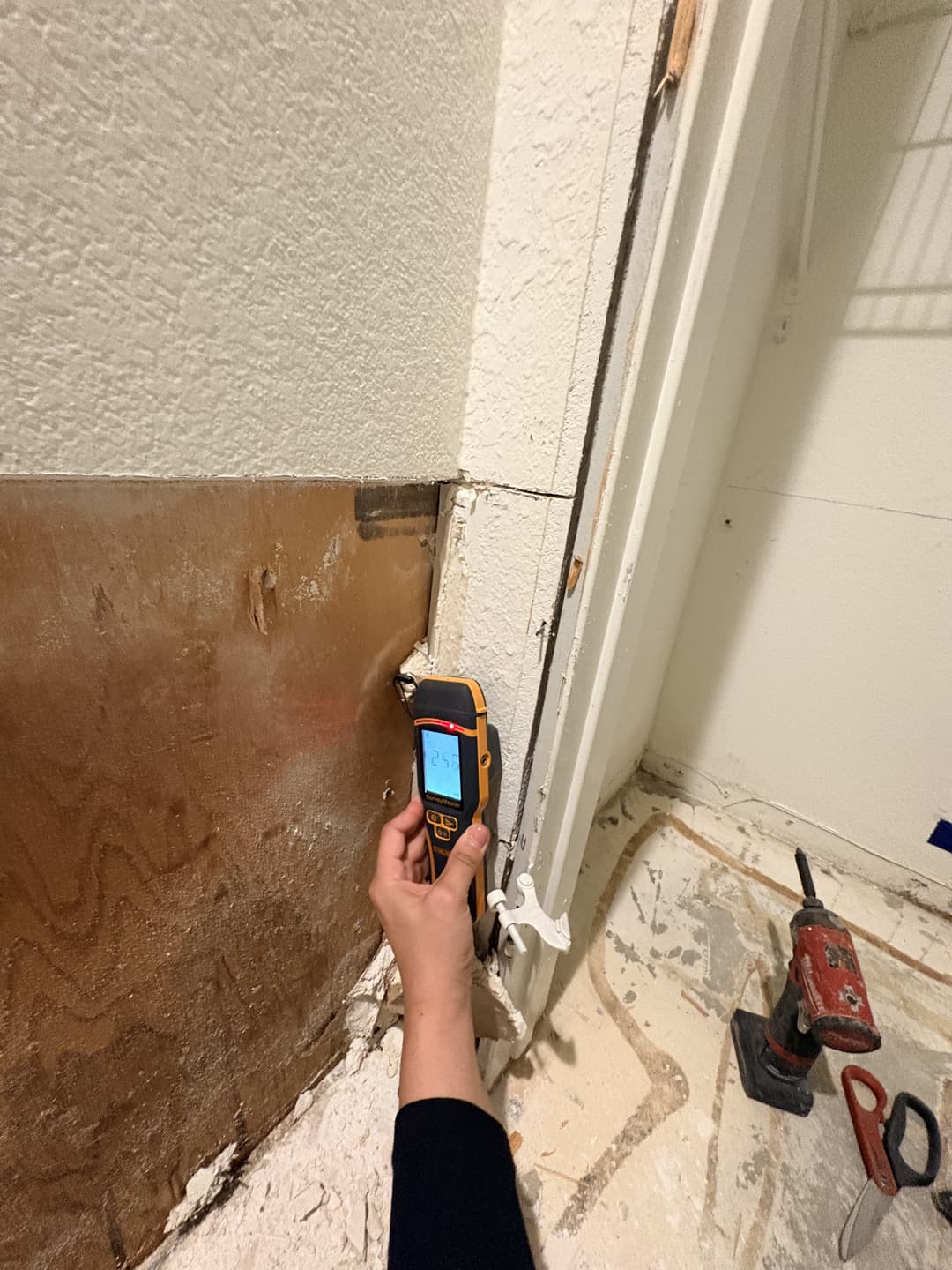
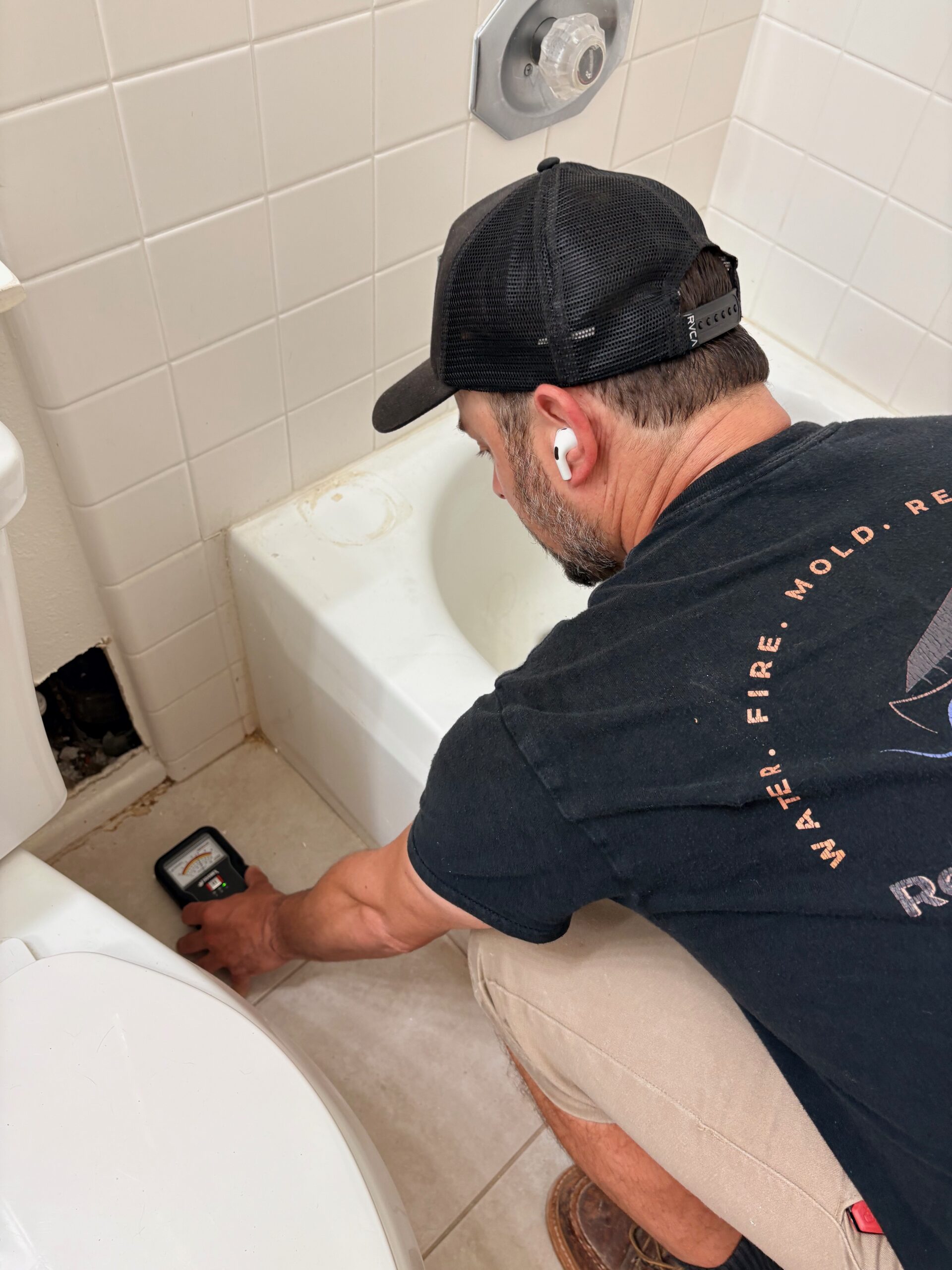
Our first step was pulling out the moisture meters and mapping the damage. We use professional-grade Tramex meters to get accurate readings on walls, floors, and subfloor materials. In the bathroom, tile floors were reading elevated, and the drywall behind the vanity was saturated. The kitchen told a similar story, with moisture levels spiking near the shared plumbing wall and extending outward along the base of the lower cabinets.
One reading near the hallway drywall came back at 999, which is essentially maxed out. That told us the water had been traveling for a while before the homeowner caught it. Getting these readings documented early is one of the most important parts of any water damage restoration job, especially when filing an insurance claim.
 |
 |
 |
 |
Containment and Water Mitigation in Anaheim
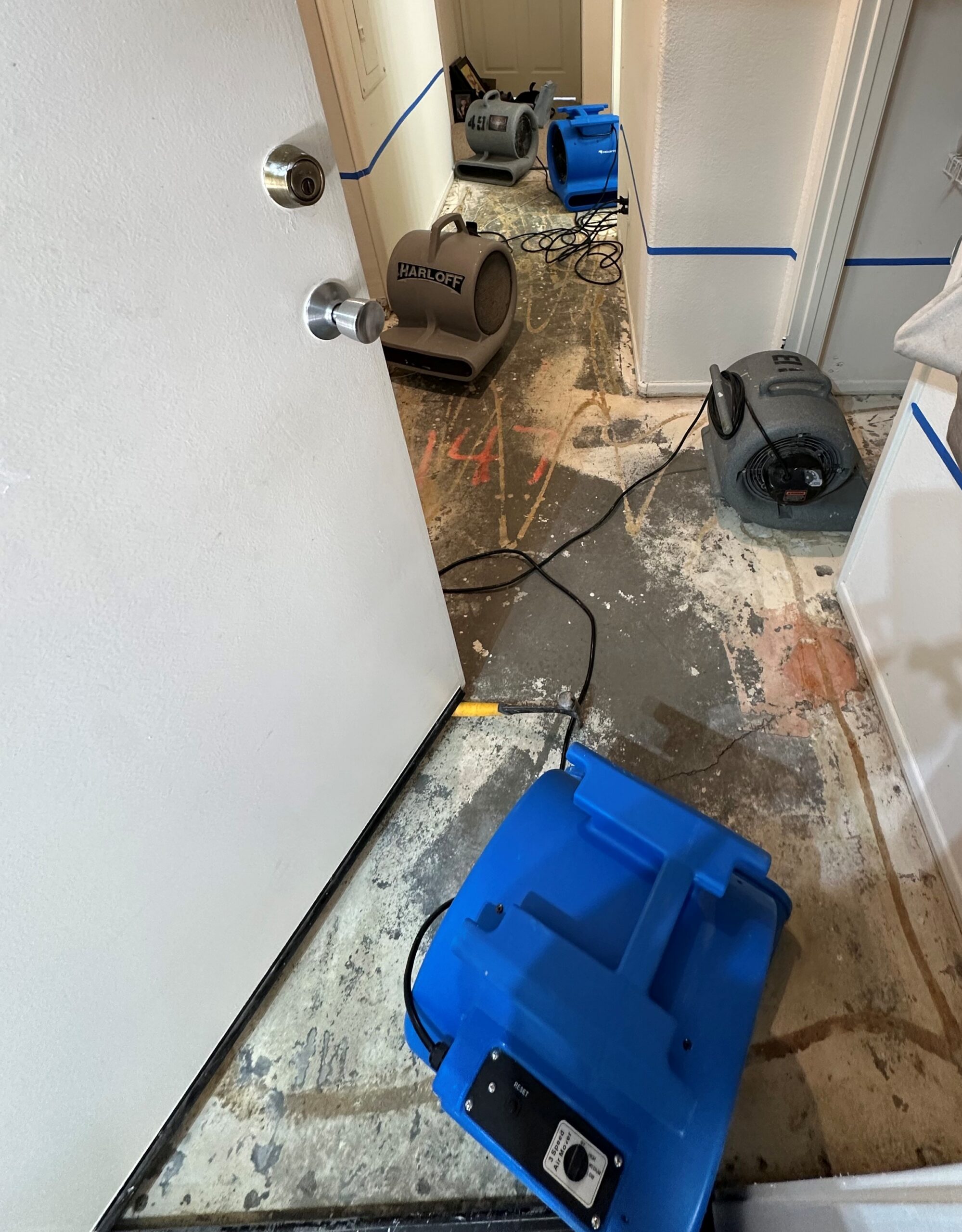
Before we started any demo work, we set up containment barriers to protect the rest of the home. Plastic sheeting went up across doorways to isolate the affected areas, and we laid floor protection to keep the hallways and living spaces clean. You can see in the photos how we sealed off the bathroom entrance with a zippered barrier, keeping dust and debris from migrating through the house.
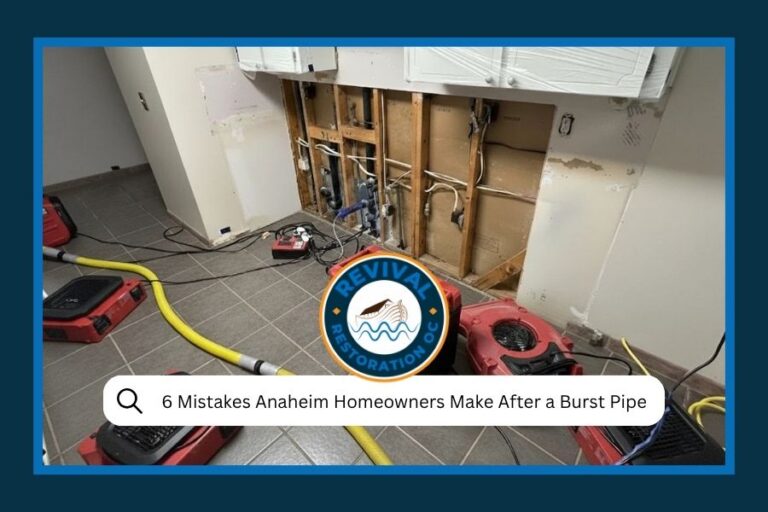
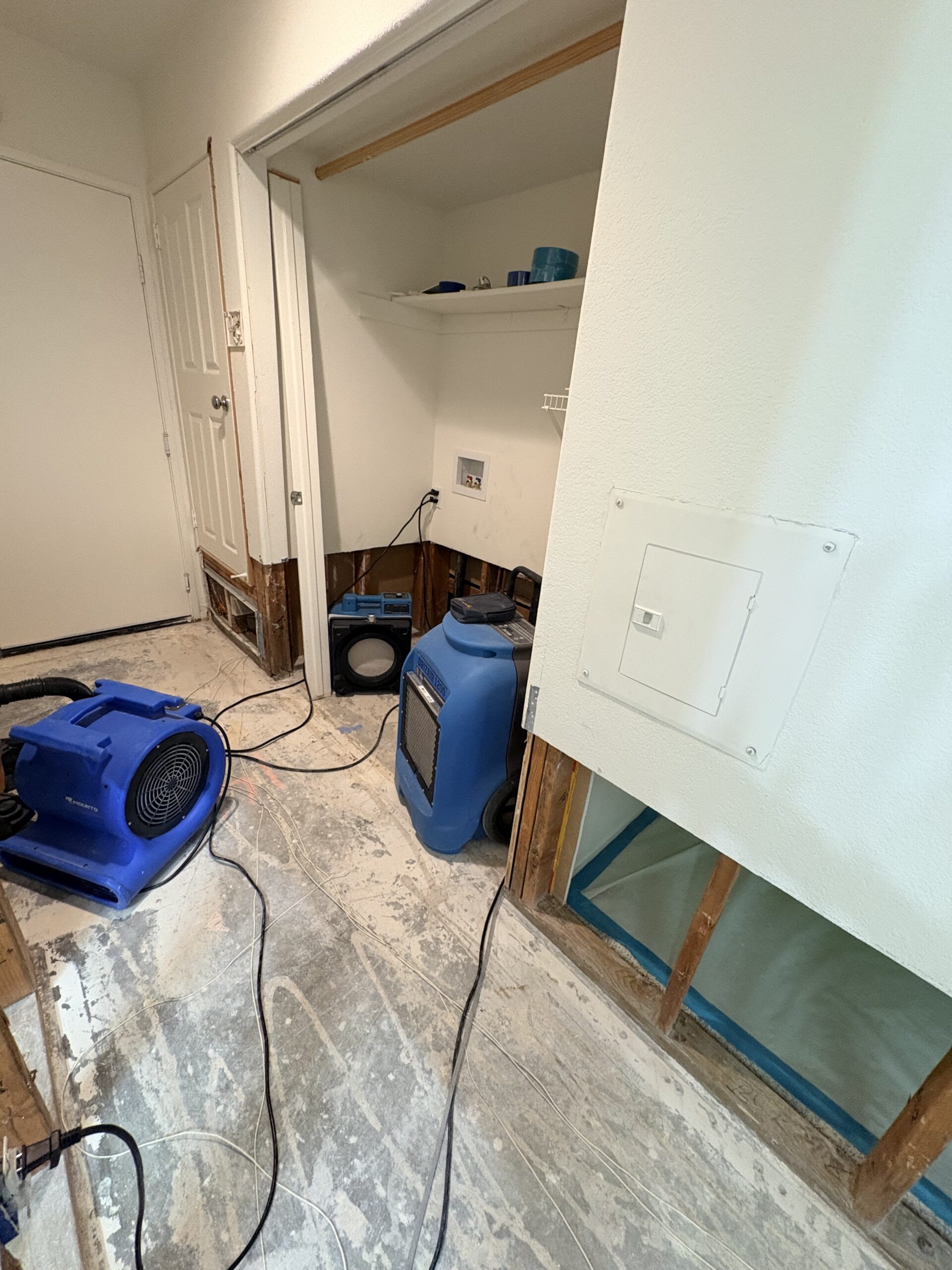
We then placed commercial-grade dehumidifiers and air movers throughout the kitchen, bathroom, and the adjacent living room where moisture had wicked into the carpet. According to the EPA’s guide on mold and moisture, drying should begin within 24 to 48 hours to prevent mold growth. We had equipment running well within that window.
How We Handled the Drywall Demolition
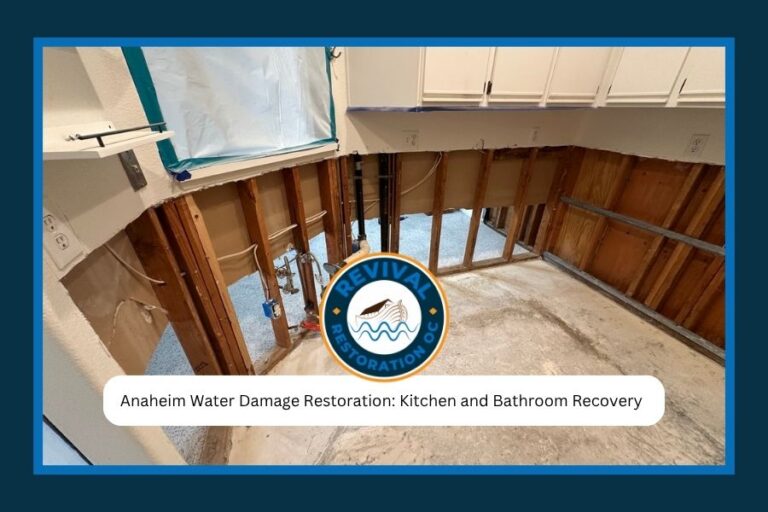
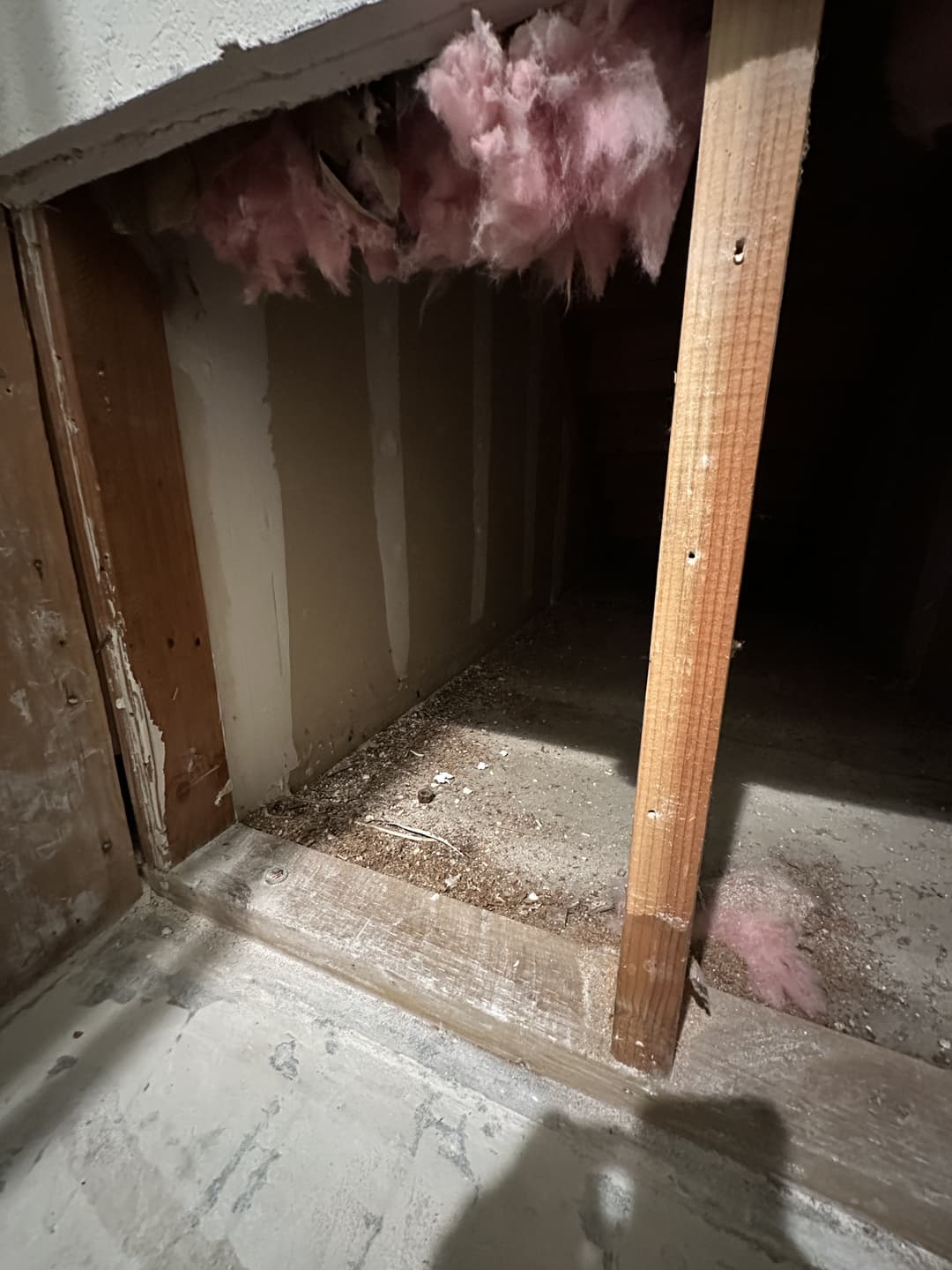
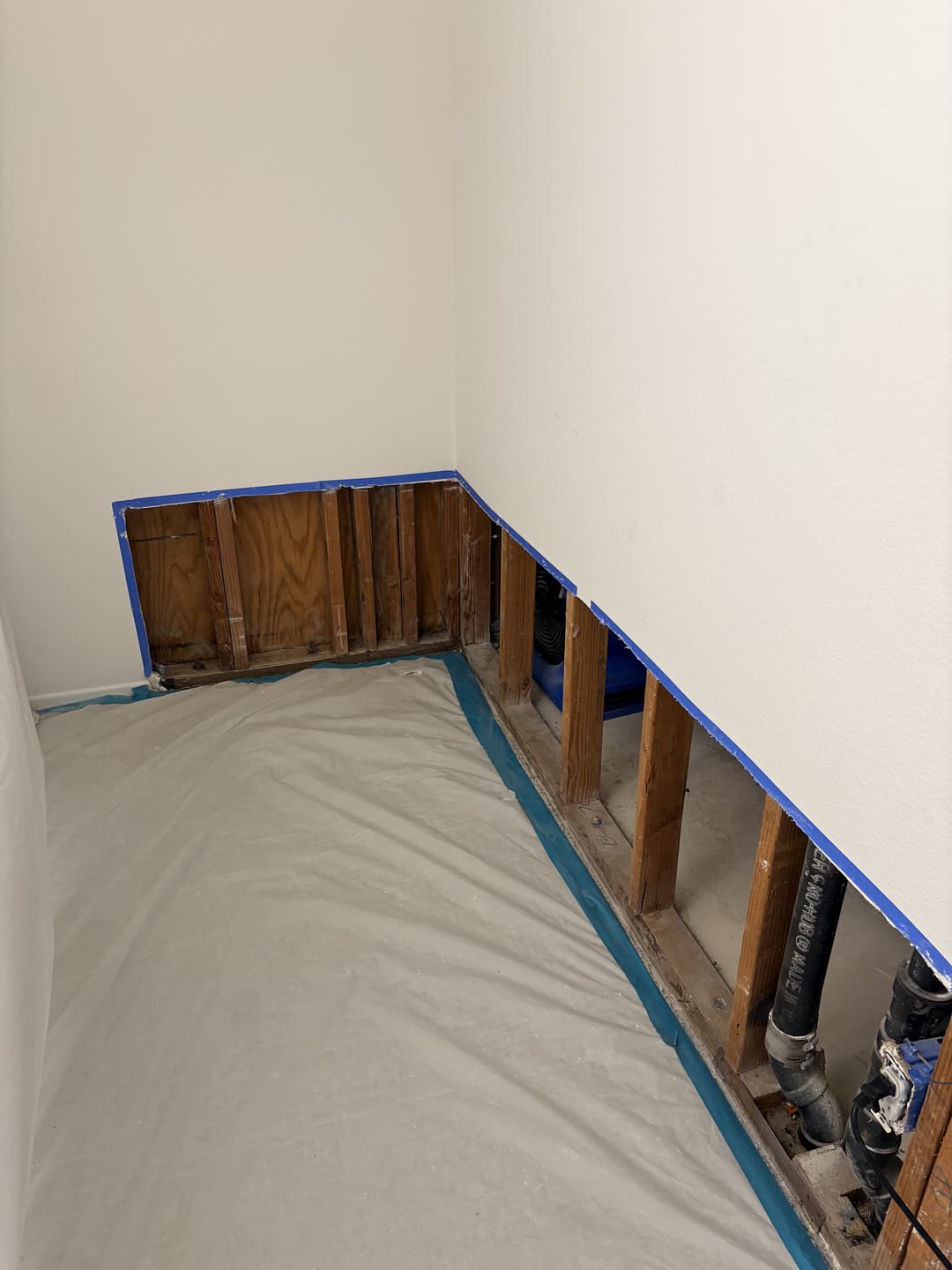
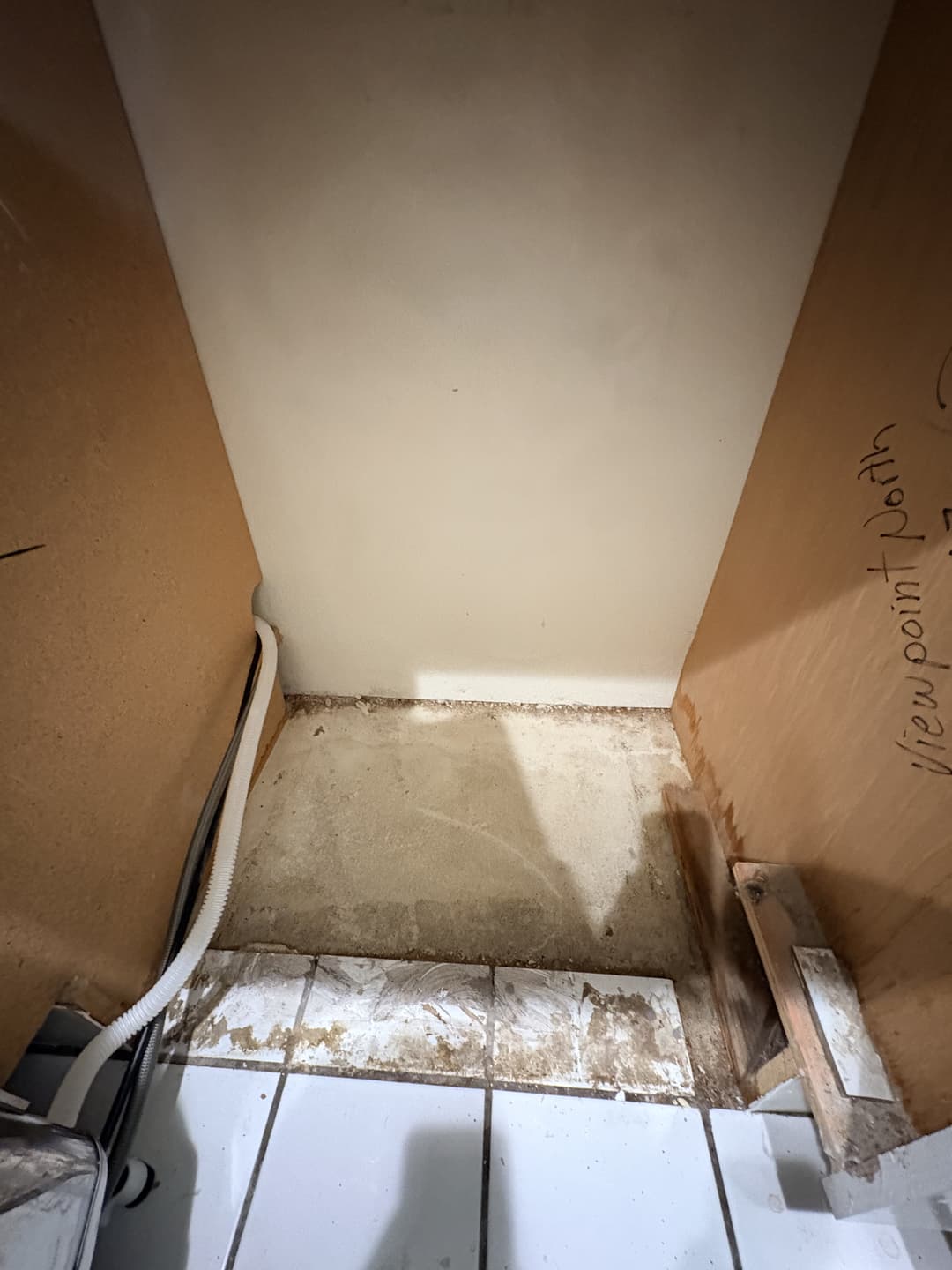
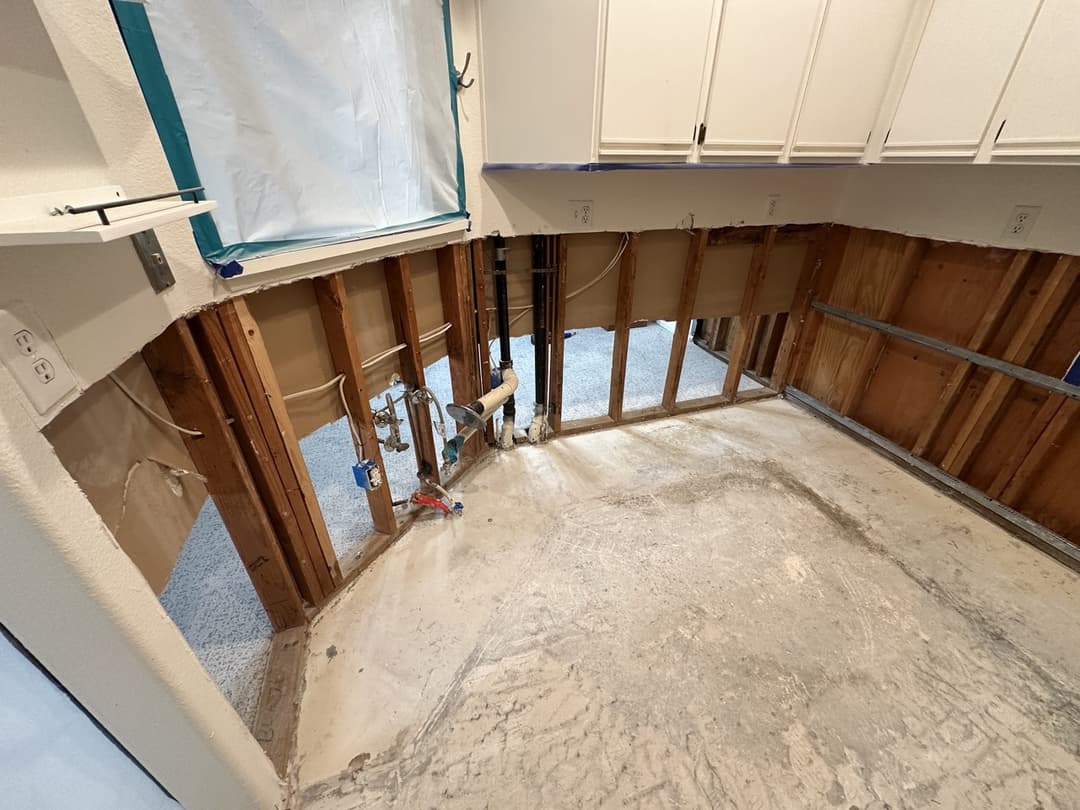
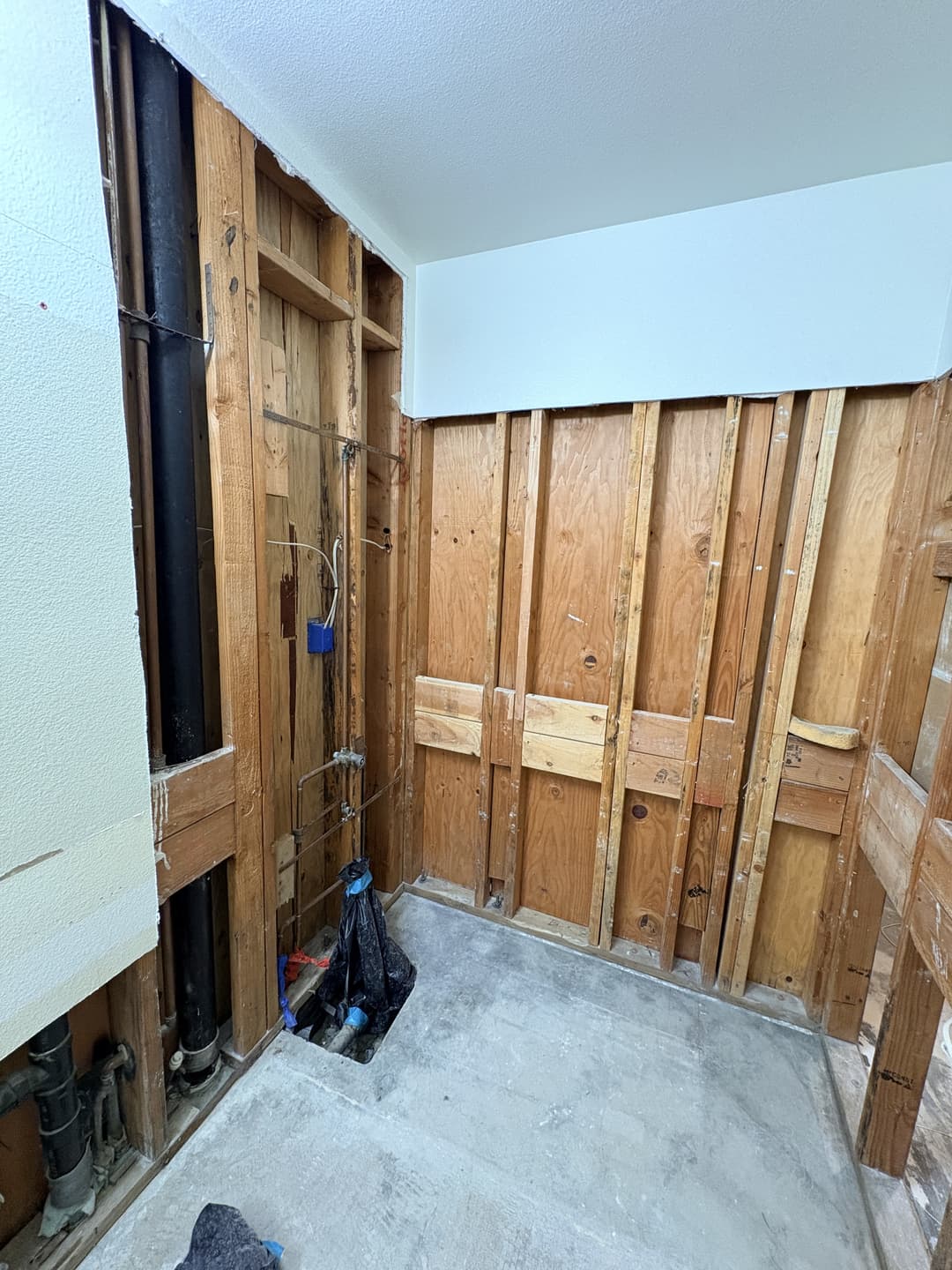
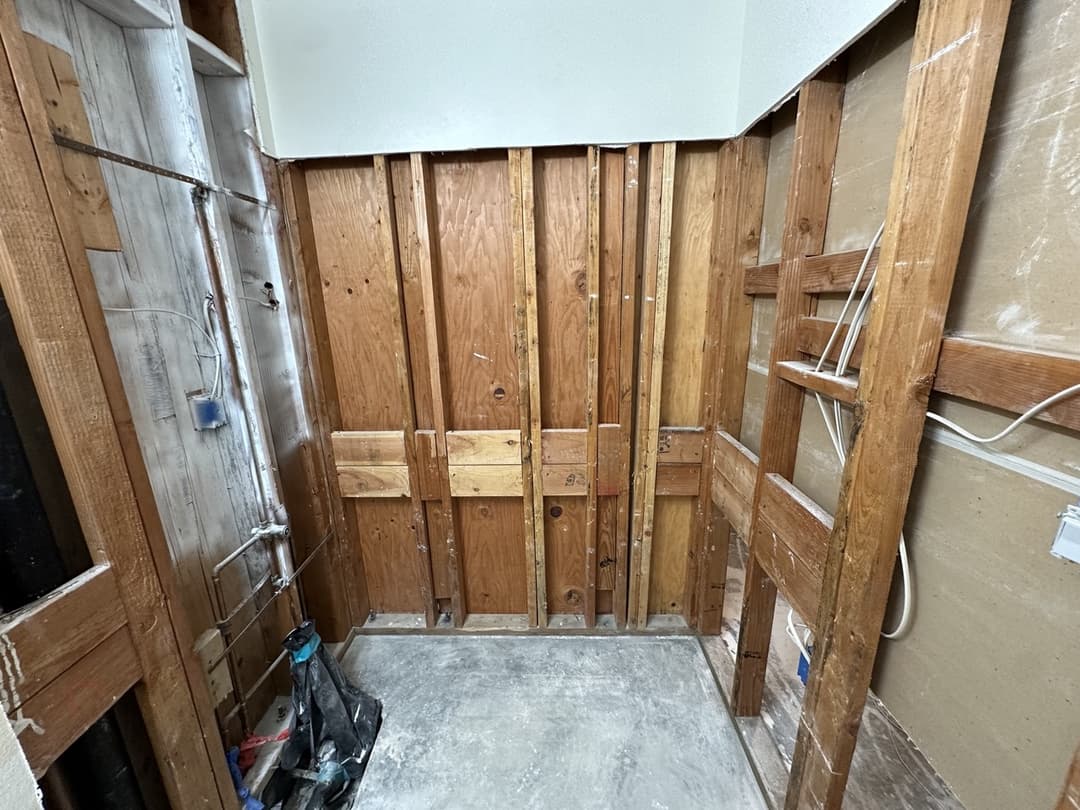
Once the initial water was extracted and drying equipment was running, it was time for flood cuts. Flood cuts are controlled drywall removals, typically two to four feet up from the floor, that allow us to access the wall cavity, check framing for moisture, and promote airflow behind the walls. It’s one of those steps that looks dramatic, but it’s essential for proper drying and preventing mold.
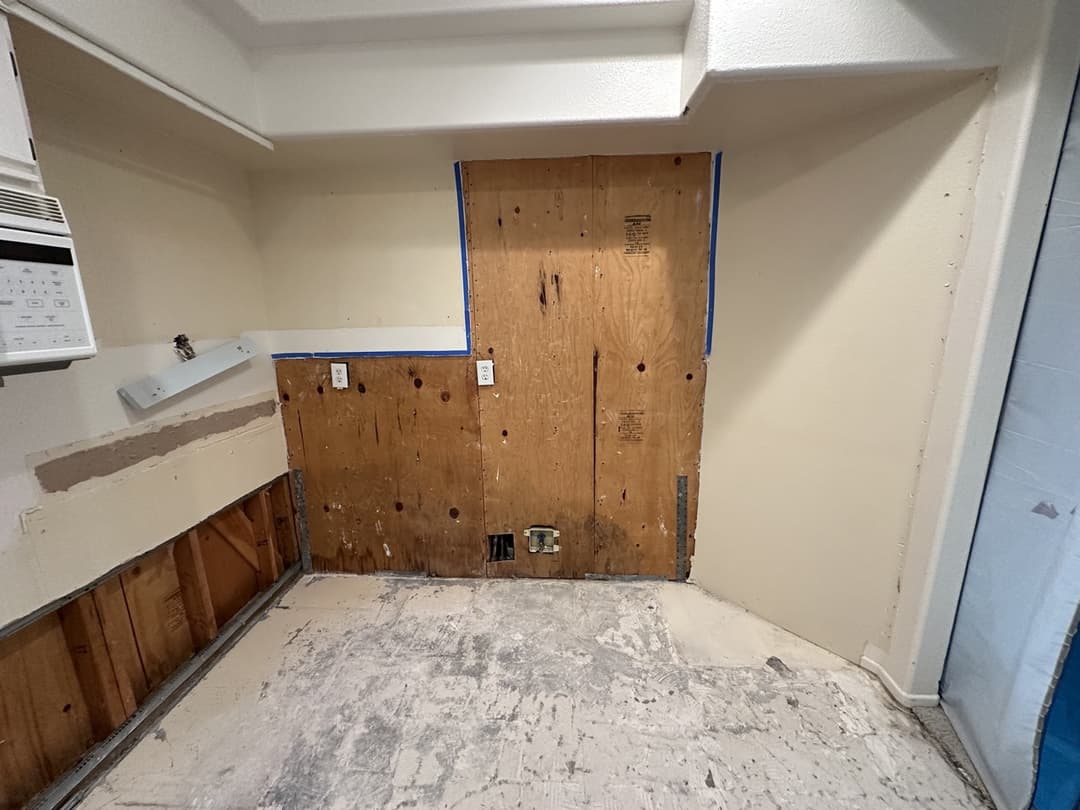
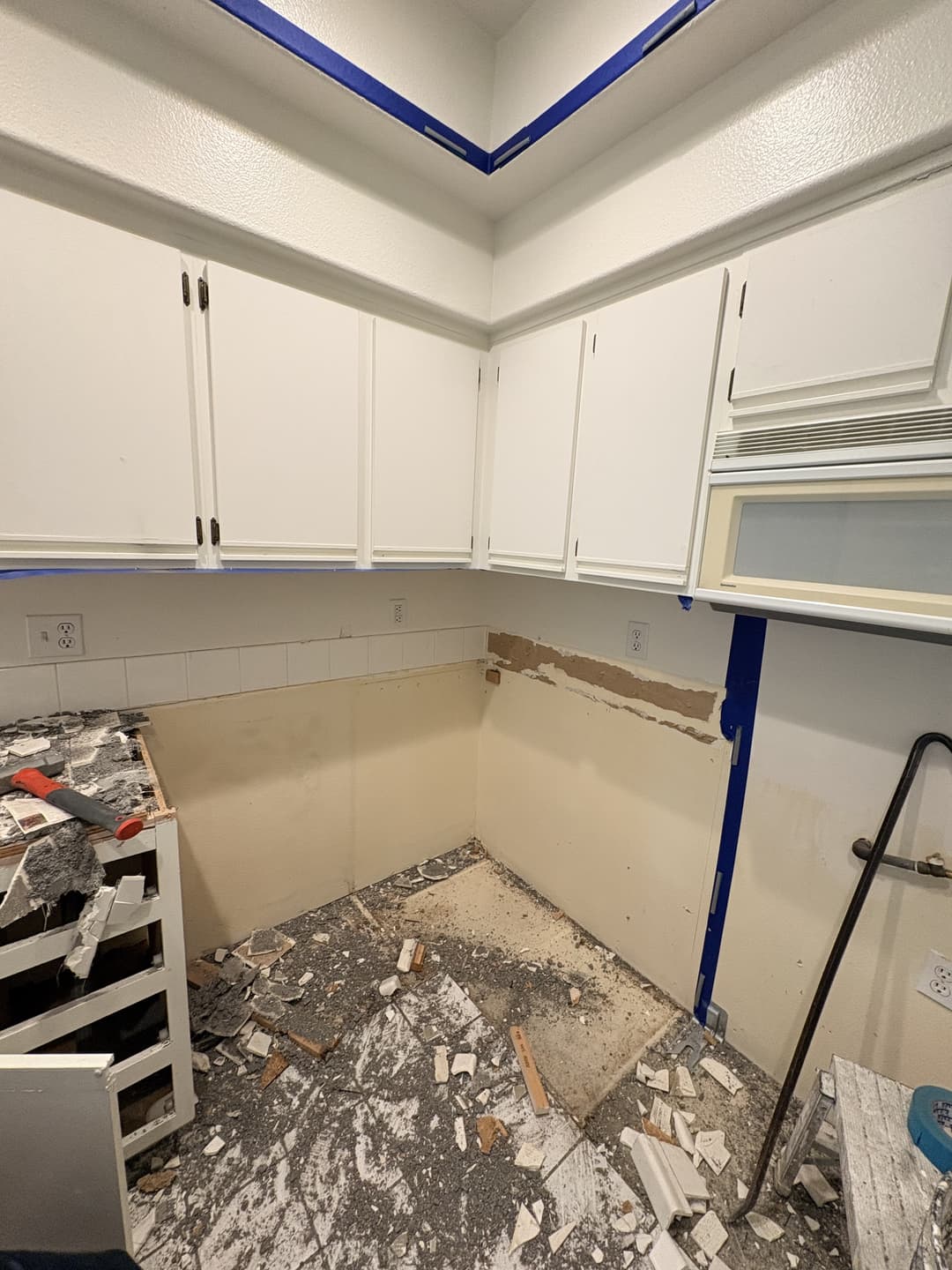
In the bathroom, we removed drywall on multiple walls, exposing the studs and plumbing entirely. The shared wall showed clear signs of prolonged moisture. In the kitchen, we pulled lower cabinets away from the walls, removed tile where needed, and cut drywall to expose the framing behind. Our technician documented each step with moisture readings. If you’re curious about what this process looks like day by day, we’ve written a full breakdown in our post on water damage restoration timelines.
 |
 |
 |
 |
 |
 |
 |
 |
The Kitchen Required More Work Than Expected
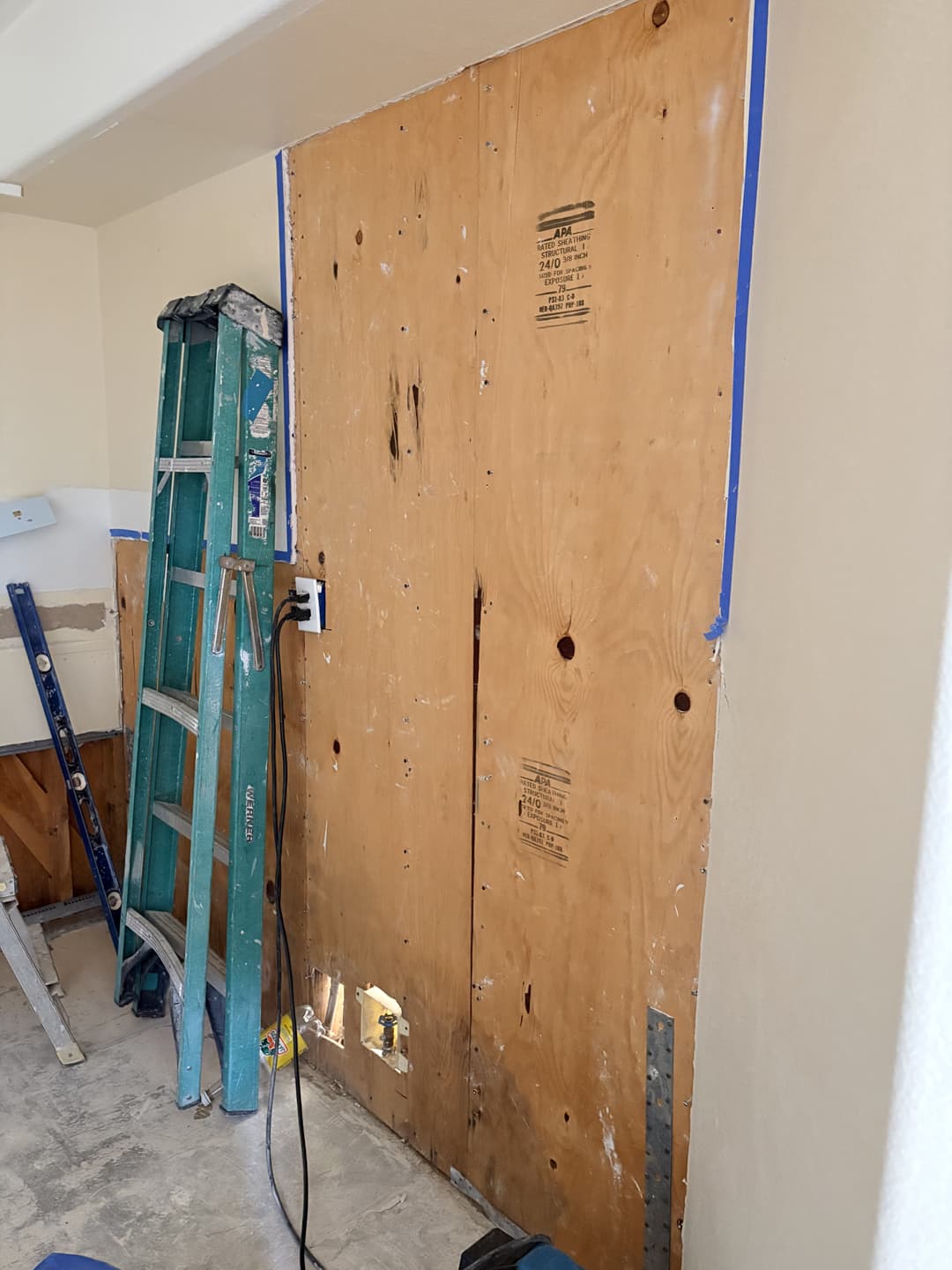
Kitchens are tricky. You’ve got tile, countertops, plumbing connections for dishwashers and sinks, and a lot of hidden material behind the scenes. In this Anaheim home, we removed tile flooring, pulled lower cabinets, and cut away a significant portion of the drywall to access the areas behind them. One wall section near a window had water-stained sheathing, confirming the leak had been spreading over time.
We placed air movers and dehumidifiers strategically through the kitchen and monitored readings daily until all materials reached acceptable dry standards. Our structural drying process follows industry protocols to make sure the home is fully dry before any rebuild work begins. Skipping this step is how secondary damage, like mold, happens. And we don’t let that slide.
For homeowners wondering what to look for before damage gets this far, our guide on hidden water damage signs behind walls covers the warning signals most people overlook.
 |
 |
 |
 |
 |
What Made This Job a Success
This Anaheim project hit the common checkboxes we see in Orange County homes: shared plumbing walls, water traveling across multiple rooms, and damage hiding behind materials you can’t see without proper equipment. The difference was getting in fast, documenting everything with moisture readings, and following a structured process.
Our team handled extraction, containment, drying, and controlled demolition in-house. No subcontracting the critical steps. When the mitigation phase wraps up, we handle the full reconstruction too, so the homeowner doesn’t have to coordinate between multiple contractors.
That end-to-end approach is something we take a lot of pride in. One team, one point of contact, start to finish.
Dealing With Water Damage in Your Anaheim Home?
If you’ve noticed unexplained moisture, wet spots on walls, or water pooling where it shouldn’t be, don’t wait for it to get worse. Revival Water Damage Restoration of Orange County offers free water damage inspections and 24/7 emergency response across Anaheim and all of Orange County.
- Same-day emergency response, average 60-minute arrival
- Free inspections for water damage
- IICRC-certified water restoration, CSLB License #963379
- Full mitigation through rebuild, all handled in-house
- Direct insurance claims support
Contact our team today or call us 24/7 to schedule your free inspection. We’re a family-owned company based right here in Orange County, and we’ll treat your home like it’s our own.