Hidden Water Damage: Signs You Might Be Missing Behind Walls
Water damage can be extremely displeasing and sometimes hard to find. A lot of houses and businesses located in Orange County have water damage issues developing quietly behind the walls, under the floor, or above the ceiling, which can result in vast amounts of damage before visible signs appear.
When it comes to finding Water Damage Restoration Orange County companies, learning about early warning signs of hidden water damage is useful in avoiding future high-cost repairs, health dangers, and long-term structural damage.
Because of Orange County’s coastal humidity, aged plumbing, and seasonal rain, concerns about hidden water damage are common. Even a small leak behind a wall can eat through the drywall, insulation, and wood framing gradually.
This blog discusses some common types of hidden water damage signs that you may be overlooking, explanations for what these signs indicate, and when to reach out to a professional water restoration company in Orange County for assistance.
Why Is Hidden Water Damage So Difficult to Detect?
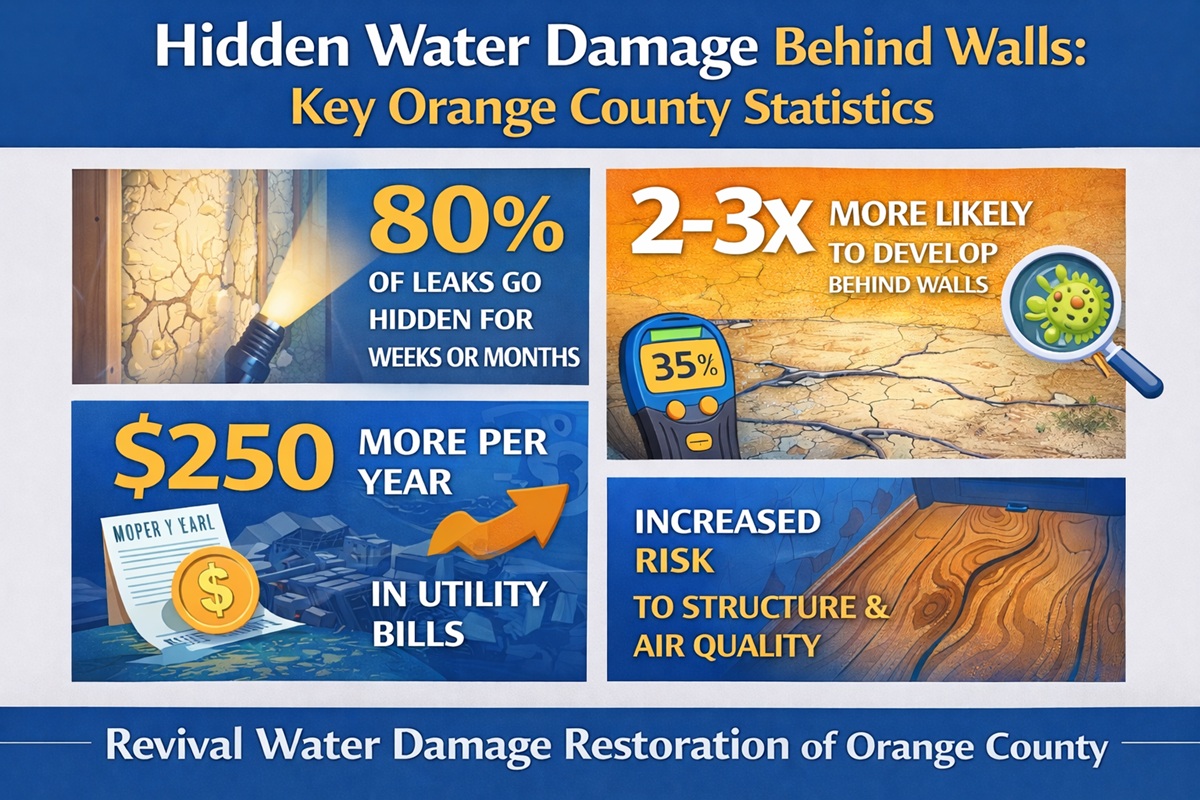
Hidden water damage typically appears in areas not regularly inspected. Pipes in the wall, roof leaks above the ceiling, or slow leaks in the slab can go unnoticed for weeks or months.
Since there are no obvious signs of damage, the moisture is allowed to fester and damage the building materials surrounding it. By the time damage is discovered, the area has frequently expanded to much larger dimensions than expected.
Knowing what to look for is essential to timely detection and successful Water Damage Restoration service in Orange County. Persistent odors of mold or dampness should raise a red flag and could be an indication of water damage that has not been detected early on. Mold odors are commonly associated with moisture and mold growth in locations that are inaccessible, such as inside wall cavities.
What Are the Most Common Places to Find Odors?
Odors of mold are normally found in areas around bathrooms, kitchens, and laundry rooms, or any other area with plumbing. Nesting odors usually increase when it rains or when humidity levels are higher.
If the odor is coming from one room or wall only, it is likely that a leak is present. In many cases, these issues occur in areas that have more than one level or floor.
With the use of moisture detection equipment, a water damage restoration professional can identify and locate the source of the moisture and repair the issue prior to further damage occurring.
-
Discolored Walls or Ceilings
Usually, yellow, brown, or gray marks on the walls or ceilings are an indication that water has entered your walls and/or ceilings and discolored the area. Many times, the discoloration appears small, and the stain continues to get larger over time.
Discoloration is created when water passes through the drywall and transports minerals or contaminants from the inside of the drywall to the outside surface. The majority of the time, discoloration indicates large amounts of water remaining concealed within the wall and/or ceiling area.
It is important to take notice of discoloration (stains) and act before water damage spreads further into the wall(s) and/or ceiling materials.
-
Bubbling Paint or Peeling Paint
Paint that is bubbling away from your walls is a very common indicator that moisture is trapped behind the wall. When moisture builds up behind a wall, paint and drywall lose their adhesion to the surface.
Many times, people mistakenly attribute bubbling and peeling paint to subpar paint quality or aging paint materials. If you simply paint over the moisture problem, you are hiding damage rather than performing a proper repair.
For any lasting repair job, you must dry and restore properly.
-
Walls, Floors, or Other Surfaces
Hidden moisture can eventually cause walls and floors to bow, sag, feel wavy, and/or become uneven. Wood in walls absorbs moisture, causing expansion and visible distortion.
There may be separation of baseboards and crown molding from the wall, as well as swelling of these materials. This generally happens gradually and worsens over time.
These warping conditions are generally caused by long-term moisture present in or behind the surface.
-
Soft and Spongy Areas
You should be concerned with soft or crumbly areas in drywall and/or flooring because moisture has weakened the structure behind them.
If you press gently on areas that feel soft or crumbly, it indicates internal saturation and poses a safety risk.
You need to call Professional Water Damage Restoration Orange County to assess and stabilize the affected areas.
Mold Growth in Surprising Places
Mold Without a Water Source
If you see mold on walls, baseboards, or ceilings with no visible water source, there is a strong chance that hidden moisture has created the mold. Mold thrives in dark, damp areas behind walls.
Even a small visible area of mold may indicate a much larger amount growing inside the wall. Mold often develops internally before becoming visible.
Early detection of hidden mold is important to protecting indoor air quality.
Health Problems That Appear in Your Home
Allergy-like symptoms such as sneezing, coughing, headaches, and irritation may occur due to hidden mold. Often, multiple occupants experience similar symptoms, indicating moisture-related indoor air quality issues. Children and people with asthma are particularly susceptible.
Professional inspections can help locate hidden contamination sources.
Unexplained Increases in Utility Bills
High Water Bills
A sudden spike in your water bill with no change in usage could suggest a hidden plumbing leak. Even small leaks can waste large amounts of water over time.
Orange County properties often experience slab leaks or pipe corrosion, making it important to monitor water use to detect problems early.
Ignoring bill changes can lead to extensive future damage.
Increased Energy Usage
Wet insulation becomes ineffective and forces HVAC systems to work harder, increasing energy bills.
If energy costs rise unexpectedly, hidden moisture behind walls or ceilings may be reducing insulation effectiveness and HVAC efficiency. This type of efficiency loss is often overlooked.
Drying affected areas usually restores intended energy performance levels.
Audible Sounds of Water When No Fixtures Are Running
Drips or Running Water Sounds
Hearing water movement when no faucets are running is a serious red flag. These sounds usually indicate leaks hidden inside walls or beneath flooring.
Leaks can continue silently for long periods before causing visible damage, making audible water sounds an issue requiring immediate attention.
Early detection reduces repair costs and uncertainty.
Common Causes of Leaking Pipes Hidden Behind Walls
Pipe joints, aging pipes, and pressure issues are common causes of hidden leaks, especially in older buildings.
Ignoring water sounds allows moisture to continue causing structural damage.
Professional assessment ensures accurate diagnosis and repair.
Cracks in Drywall or Structural Surfaces
Moisture and Crack Formation
Excess moisture weakens drywall and framing, creating wall and ceiling cracks that may develop gradually or suddenly.
Moisture also affects soil beneath foundations, leading to movement, especially in slab-on-grade homes.
Cracks combined with other indicators often signal hidden water damage.
When Cracks Indicate a Larger Problem
Not all cracks result from water damage; however, patterns and locations can help determine causes. Pay close attention to cracks near plumbing lines or exterior walls.
Professional evaluation helps determine whether water damage contributes to structural movement.
Prompt action can stabilize your home before permanent damage occurs.
When You Should Contact a Water Damage Restoration Company for Assistance
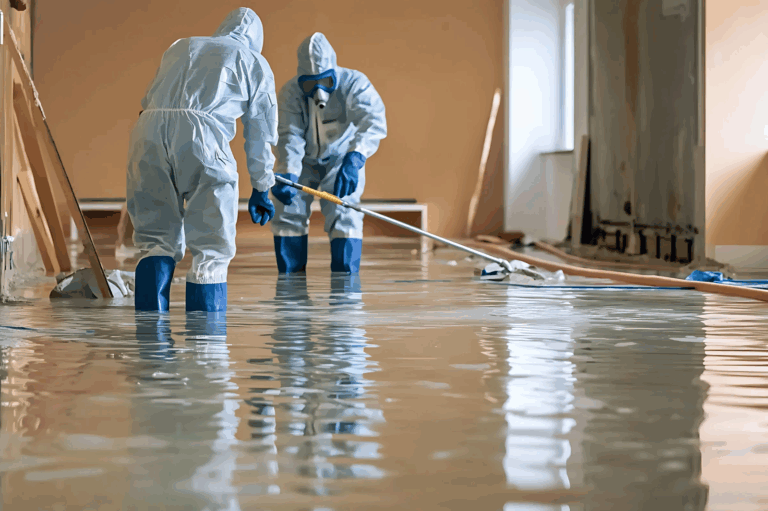
Specialized tools and expertise are required to locate and fix hidden water damage. Professionals use moisture meters, thermal imaging, and advanced drying equipment.
Homeowners often search for Water Damage Restoration Near Me after noticing initial signs. Acting quickly reduces repair costs and prevents secondary damage.
Professional Water Damage Restoration Orange County services ensure affected areas are properly dried and restored.
Frequently Asked Questions Regarding Hidden Water Damage
Can water damage be hidden behind walls?
Yes, water can cause hidden damage for extended periods, leading to structural deterioration and mold growth.
Will mold always be visible if water damage exists?
No, mold can grow behind walls or under floors before becoming visible.
How do professionals find hidden water damage?
They use moisture meters, infrared cameras, and specialized inspection tools.
Can hidden water damage impact health?
Yes, hidden water and mold significantly affect indoor air quality and respiratory health.
Should I seek professional help for minor indicators?
Yes, minor indicators often signal more serious hidden issues requiring professional attention.
Conclusion: Always Contact Professionals for Expert Restoration
Hidden water damage behind drywall poses a serious threat long before visible signs appear. Indicators such as musty odors, discoloration, utility spikes, or unexplained mold should be investigated immediately.
If hidden water damage is suspected and the source cannot be identified, contacting a trusted Water Damage Restoration Orange County company promptly can reduce risks to structural integrity, indoor air quality, and long-term property value.
With years of experience providing dependable water damage repairs and prevention solutions, Revival Water Damage Restoration of Orange County offers a full range of trusted services. Specializing in hidden moisture detection, advanced drying processes, and complete property restoration, we are your reliable local professional for Water Damage Restoration assistance.
Contact us today to schedule a restoration consultation.